Alcohol ink on Yupo vs tile
Alcohol ink needs a surface it can't soak into. The two favourites are Yupo synthetic paper and glazed ceramic tile. They both work, but the ink behaves differently on each.
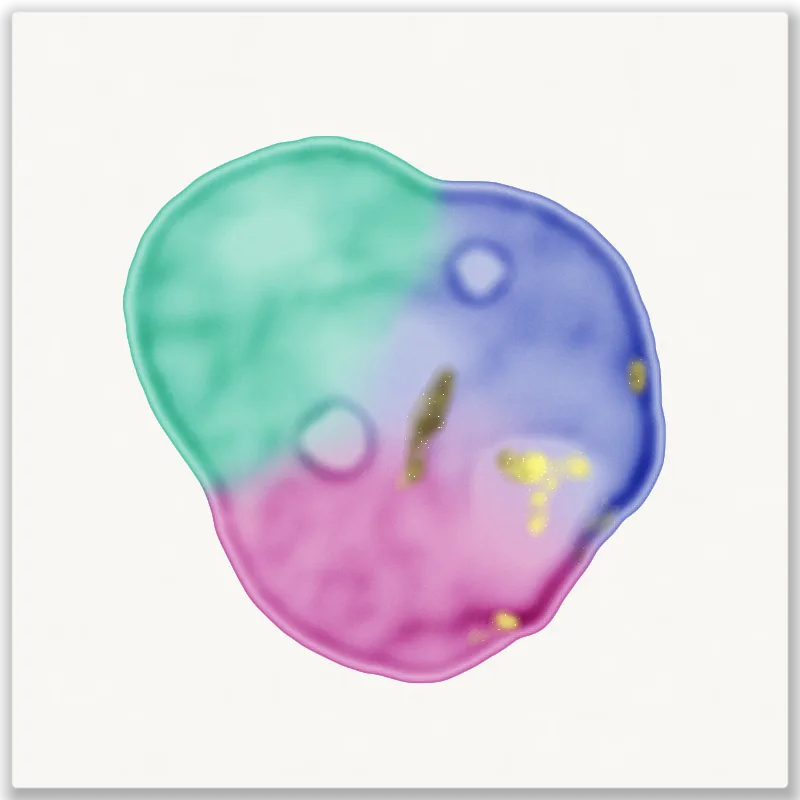
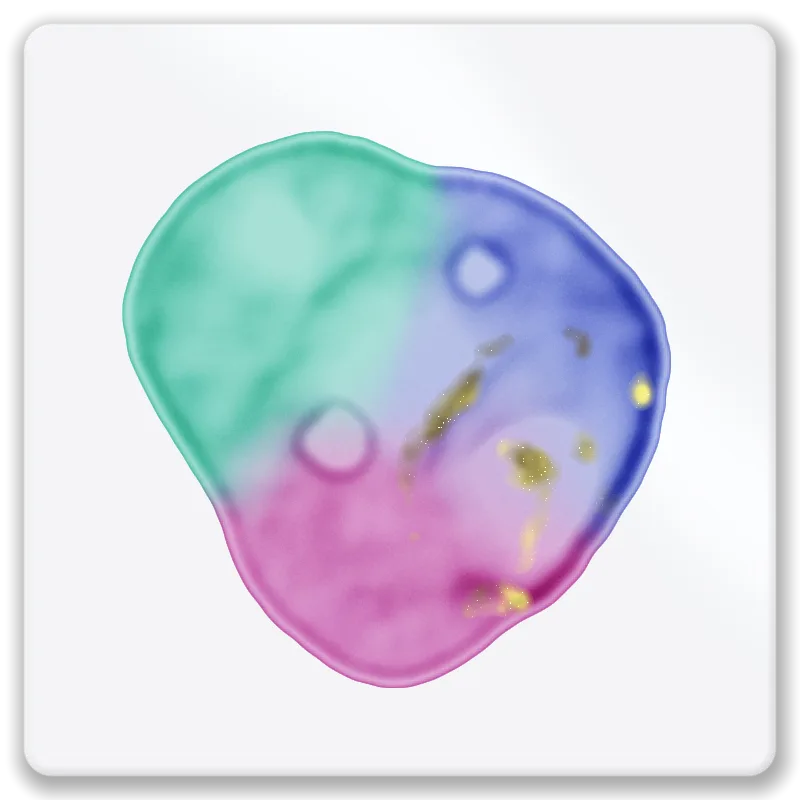
At a glance
| Yupo paper | Ceramic tile | |
|---|---|---|
| Surface | Smooth synthetic paper, slight tooth | Hard, glassy glaze |
| How ink moves | Spreads a little slower, holds detail and fine veins | Slides further and faster; big, fluid shapes |
| Edges | Crisp, dark rims | Softer, smoother transitions |
| Lifting colour | Easy to lift back to white with alcohol | Lifts very cleanly; mistakes wipe away |
| Best for | Wall art, cards, framing, layered detail | Coasters, trivets, decor, quick abstract pours |
| Finishing | UV spray, then frame or resin | Spray sealer, then resin for a glossy, durable finish |
Yupo paper
Yupo is a polypropylene "paper", so it's waterproof and doesn't absorb ink. Its slightly textured surface grips the ink just enough to slow it down, which makes it easier to control and gives the sharp edges and fine veins alcohol ink art is known for. It's light, cheap, and easy to cut, frame or scan.
Ceramic tile
A glazed tile is slicker than Yupo, so ink flows further and faster and blends more smoothly. Plain white tiles from a hardware shop are perfect for practice, and finished tiles make great coasters once sealed. Because the glaze is so smooth, you can wipe a tile completely clean with alcohol and start again.
Glass and coasters
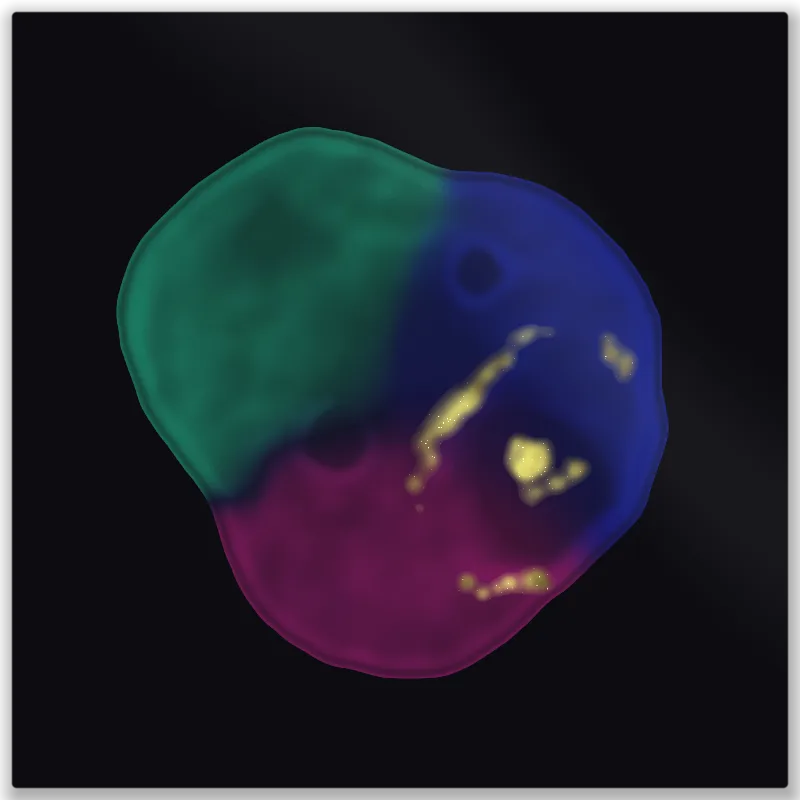
Glass behaves like a very slick tile. Over a dark background, translucent inks look jewel-like and opaque white really stands out. Ceramic coasters are simply small round tiles, and a lovely size for experiments.
Which should you choose?
Start on Yupo if you want art to frame, cards, or more control. Pick tile if you want fast, flowing abstracts or useful pieces like coasters. Most artists keep both: they cost little, and switching surfaces is one of the easiest ways to get a fresh look.